Tree Removal Permits in Bellevue: When You Need One and How the Process Works
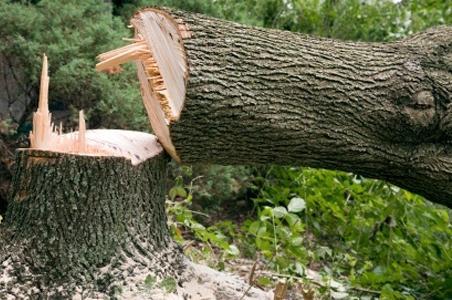
If you are planning tree removal in Bellevue, WA, you may need a city permit before a single branch comes down. This guide explains common triggers, the steps involved, and how Ace Tree Service LLC helps homeowners move from worry to action with safe, compliant tree removal.
What Triggers a Tree Removal Permit in Bellevue, WA
Many cities in the Pacific Northwest use similar criteria to decide when a permit is required. Bellevue typically looks at where the tree stands, the size and species, and the reason for removal.
- Trees near streams, wetlands, steep slopes, or greenbelts often face extra review due to environmental protections.
- Large, mature, or distinctive specimens may be considered protected based on size or character.
- Multi‑lot developments, townhomes, and multifamily properties usually have closer oversight than single‑family lots.
- Construction plans such as additions, new driveways, or utilities can trigger review of nearby trees.
- Trees that present an immediate hazard still require documentation so the city can verify the condition.
Never start work until your permit is approved. Even well‑intentioned removals can lead to stop‑work orders or fines when paperwork is skipped.
How the Permit Process Works From Start to Finish
1) Site Review And Arborist Assessment
A certified arborist visits your property to identify tree species, condition, lean, target area, and site constraints like slopes or drainage. You will discuss your goals and any HOA requirements.
2) Document Preparation
Your arborist prepares a basic map or photo set, notes the tree’s condition, and outlines why removal is being requested. If the tree can be pruned or preserved, that option is noted as well.
3) City Submittal
Applications usually include a form, a description of work, and supporting documentation. Review times vary by season and city workload. When storms roll through the Eastside, expect slower approvals.
4) Conditions And Approval
Permits may include conditions such as debris containment, fencing to protect nearby roots, or replacement planting after removal. Do not remove a tree in a critical area without written clearance.
5) Scheduling And Safe Execution
Once approved, work is scheduled to avoid peak traffic and to protect landscaping and structures. Crews use rigging, mats, and controlled lowering so your yard stays intact.
Protected Trees And Critical Areas
Most cities identify certain trees as protected because of size, species, or location. In Bellevue, trees near wetlands, streams, and steep slopes are commonly subject to extra rules designed to prevent erosion and protect habitat.
Protected status does not mean you are stuck. It means the city will look closely at the tree’s condition and the site. If the tree is diseased, storm‑damaged, or causing documented risk, removal can still be approved with proper evidence and mitigation.
Your arborist helps you gather what reviewers need: clear photos, notes on target areas like roofs or play spaces, and a plan to protect nearby roots and soil. Where replacement planting is required, native species that fit Bellevue’s climate are typically recommended.
How HOA Rules Fit Into Your Plans
Homeowners associations often set standards for curb appeal and neighborhood canopy. Their rules may require written approval before you file with the city, or they may ask for specific replacement trees or screening plans.
HOAs can be stricter than the city, so check your CC&Rs and recent board decisions. A simple email to your manager with photos, a short explanation, and an arborist note usually speeds things up.
- Confirm whether HOA approval is needed before or after the city submittal.
- Ask if replacement trees must match species, size, or height.
- Keep neighbors informed to reduce concerns about noise and access.
Seasonal And Neighborhood Factors In Bellevue
The Eastside sees heavy winter wind, spring rain, and the occasional summer drought. Those swings are tough on Douglas firs, cedars, and maples that are already stressed or poorly rooted.
Neighborhood terrain also matters. West Bellevue and Somerset have slopes that demand careful rigging and erosion control. Lake Hills, Crossroads, and Wilburton include pockets of saturated soils after long rains, while Bridle Trails has many mature conifers near equestrian areas that require extra planning for access and safety.
If you live next to a greenbelt, stream corridor, or stormwater facility, expect added review to protect water quality and slope stability. That usually means more documentation and sometimes replacement planting to maintain canopy.
When you are researching options, you can explore our approach to safe, efficient tree removal so you know what to expect on work day and how we protect your property from start to finish.
What Your Arborist Handles For You
Permits can feel complex, but the right partner removes the guesswork. Here is what Ace Tree Service LLC typically manages on your behalf:
- Site evaluation and written assessment that explains condition, risk, and alternatives.
- Photos, simple maps, and neighbor notifications when requested by your HOA or the city.
- Submittal of application materials and responses to common reviewer questions.
- Tree protection plans for nearby roots and structures during removal.
- Replacement tree suggestions that fit Bellevue soils and yard size.
If you need a broader overview of services we provide locally, you can start with tree removal in Bellevue, WA and then talk with our team about next steps tailored to your property.
Documentation That Strengthens Your Application
Clear, simple evidence helps reviewers make fast decisions. You do not need a complex report for most residential removals, but you do need to show why removal is reasonable and what steps will protect the site.
Gather the following before you submit:
Photos that show the whole tree, any cracks or decay, and what the tree could strike if it fails. A quick sketch or screenshot marking the tree’s location helps the reviewer spot it on aerial maps.
Notes about recent wind events, soil saturation, or limb failures add useful context. Take photos and keep records before and after storms so you are not scrambling if the city asks for proof.
After Approval: What To Expect On Work Day
Crews arrive with safety gear and a plan for traffic, fences, and gardens. Expect equipment staging in your driveway or on the street, protective mats over lawn, and controlled lowering to avoid impacts.
Chips are hauled or left for mulch if you request it. Stumps can be cut low or ground below grade, depending on your landscape plans and any conditions the city sets.
When the last limb is cleared, your foreman performs a walk‑through so you know the site is safe and the permit conditions were met. If replacement planting is required, you will get guidance on spacing and early care.
Common Questions Homeowners Ask
What if the tree is hazardous right now?
Document the risk with photos and contact an arborist immediately. Many cities allow emergency removals with proof, followed by notification or a retroactive permit. Keep all records.
Can pruning replace removal?
Sometimes. Reduction pruning can reduce weight and improve clearance. Your arborist will note if pruning is a viable alternative for your application.
Will I need to plant a new tree?
Replacement trees are common conditions, especially near sensitive areas. The size and species vary based on site goals and available space.
How Ace Tree Service LLC Helps You Move Forward
From the first site walk to final cleanup, our team handles the details so you can focus on your home. We coordinate with your HOA, prepare documentation, and perform safe removals that respect your neighbors and landscape.
When you are ready, call 206-307-1157 to talk with a local arborist, or learn how we approach safe, efficient service on our page about schedule tree removal. We are here to help you protect your home and keep Bellevue’s canopy healthy for years to come.
Protect Your Property Request a Tree Removal Quote In Bellevue Today!