Tree Removal Services in Bellevue, WA: What Homeowners Need to Know
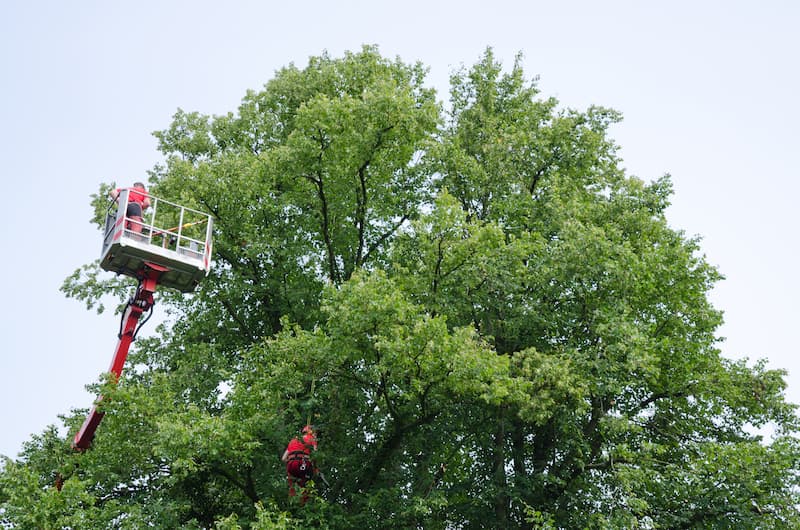
If you own a home in Bellevue, you will likely need tree removal at some point. Storms roll in, soils get saturated, and mature evergreens can outgrow tight lots. This guide explains when removal is the right call, how pros handle it, and what affects timing here in Bellevue, WA. If you’re already weighing next steps, you can learn more about our tree removal service and what it includes.
When Tree Removal Is the Right Call in Bellevue
Healthy trees add shade and value. Unstable trees add risk. In our area, shallow roots, heavy winter rain, and wind can push borderline trees past their limits. Consider removal when any of these red flags show up:
- Leaning that worsens after a storm or a new soil heave near the base
- Large dead branches over a driveway, roof, or play area
- Repeated limb failures from decay, cavities, or root problems
- Tree crowding a foundation, sewer lateral, or retaining wall
- Sunlight is blocked for gardens or solar panels even after proper trimming
In neighborhoods like Bridle Trails, Somerset, and Lake Hills, older Douglas-fir, western red cedar, and bigleaf maple are common. These trees are beautiful, but size and proximity to structures can raise stakes. When in doubt, have a qualified pro assess the structure, roots, and targets around the tree.
How Professional Crews Remove a Tree Safely
Every site is different, but safety never changes. A trained crew builds a plan around your tree’s size, lean, defects, and what’s below. Here’s how a typical removal comes together:
Site Planning and Protection
Before any cut, the team marks drop zones, verifies exits, and protects lawn and hardscapes with mats. If a crane is needed for tight spots in West Bellevue or Newport, they plan access and setup with neighbors in mind.
Rigging and Controlled Dismantling
Using ropes, friction devices, and pulleys, climbers lower branches in small, controlled pieces. This keeps force off your roof, fence, and plantings. Trunk sections follow the same process, working down in safe, measured steps.
Cleanup and Haul-Off
Brush and wood go to the chipper. The crew rakes and blows the area clean. If a storm caused the damage, teams may coordinate timing with storm and disaster response scheduling so your driveway and walkways are clear fast.
What You Can Expect Before, During, and After
A smooth job comes from good communication. Here’s what that looks like with a reputable Bellevue crew:
- Before: A walk-through to confirm the plan, access points, and what stays or goes. You’ll get timing windows based on weather and neighborhood access.
- During: Equipment arrives, and ground protection goes down. Expect some noise from saws and chippers within normal daytime hours.
- After: Debris is hauled, and the site is tidied. You decide whether to leave wood, cut rounds, or have it removed.
If you want to replant or reclaim the space, ask about stump options. Grinding is the most common next step because it is less invasive and makes yard restoration easier. For full details on the service scope, see how our team handles tree removal from start to finish.
Bellevue Factors That Affect Timeline and Complexity
Conditions on the Eastside can change fast, which affects scheduling and the method used on removal day:
Weather and Soil
Heavy fall rain saturates glacial soils in places like Newport Hills, Cougar Mountain, and Factoria. Crews may use ground mats and lighter equipment to protect turf, or shift dates to avoid rutting when possible.
Access and Tight Lots
Older lots in Medina or Clyde Hill may have limited access between homes, hedges, and hardscapes. This often means more rigging, smaller cuts, and extra time to protect surrounding features.
Tree Size and Species
Large conifers like mature Douglas-fir require more setup, rigging, and specialized gear. Broadleaf trees with decay pockets may call for cranes to limit shock loads and control the dismantling.
Permits, Utilities, and Neighbor Considerations
Tree work touches more than the tree. Here are key items to keep in mind:
Permits: Rules can vary by city, tree size, species, and location. In Bellevue, permits are sometimes required, especially for certain trees or trees near sensitive areas. The safest move is to check with the city about current requirements before scheduling. A professional tree service can help you understand the next steps and coordinate timing.
Utilities: If lines are nearby, a removal plan will factor in minimum approach distances and coordination with local utility providers as needed. Don’t assume a line is safe because it is insulated. Treat all overhead lines as energized.
Neighbors and HOAs: Let neighbors know the work window so they can plan parking and pet access. If you’re in an HOA, review guidelines for work hours and access, especially on shared drives.
Removal, Trimming, or Just Stump Grinding?
Not every problem tree needs to go. Sometimes a well-timed trim reduces risk and improves light. Other times, the trunk or root issues are too advanced for pruning to help. If the tree is already down or must come out, you still have a choice about the stump. Many Bellevue homeowners choose stump grinding to reclaim their lawn or create a planting bed.
Simple Ways to Decide
Use this quick guide to frame the conversation with your arborist:
- Choose trimming if the tree is healthy, conflicts are minor, and the structure is sound.
- Choose removal when defects, lean, or site conflicts keep stacking up.
- Choose stump grinding if you want the area leveled and ready for grass or planting.
Important: Avoid topping or heavy, non-standard cuts. These create hazards and rarely solve the real problem. A sound plan protects people first and preserves healthy trees where it makes sense.
How To Prepare Your Property for a Smooth Removal Day
Clear vehicles from driveways, move grills or patio furniture, and keep pets indoors. Mark irrigation heads near the work area if you know their locations. Crews bring the pads and protection, but a few simple steps make the day faster and cleaner.
On sloped sites like parts of Lakemont or Cougar Mountain, crews may stage gear on the street for safety. If parking is tight, a neighbor heads-up keeps things friendly and efficient.
Aftercare and What Comes Next
Once the tree is gone, most homeowners either replant or reimagine the space. Think about sun patterns, future growth, and root zones of remaining trees. If you plan to plant a new tree, choose species and locations that fit long-term so you do not run into the same conflicts later.
If a recent storm created the issue, ask about preventative trimming for nearby trees that showed stress. A little proactive work can reduce debris and risk when the next wind event hits.
Why Bellevue Homeowners Choose Ace Tree Service LLC
Homeowners in Crossroads, West Bellevue, and Newport trust Ace Tree Service LLC because safety, communication, and cleanup are built into every job. You get a clear plan, protected property, and a tidy yard when we leave. Our team is trained for tight-access removals, crane work when needed, and careful coordination on busy streets.
If removal is on your to-do list, start with a quick call to 206-307-1157. You can also read more about safe tree removal in your area and see how we structure the work.
Ready To Schedule Tree Removal in Bellevue, WA?
Protect your home before the next wind and rain cycle. For reliable tree services in Bellevue, WA, and a plan that puts safety first, reach out to Ace Tree Service LLC. Our local team will assess your tree, map a safe removal, and handle cleanup so you can enjoy your yard again. To get started today, visit our page on tree removal or call 206-307-1157.
Protect Your Property Request a Tree Removal Quote In Bellevue Today!