Commercial Tree Removal for Businesses: Minimizing Downtime and Liability
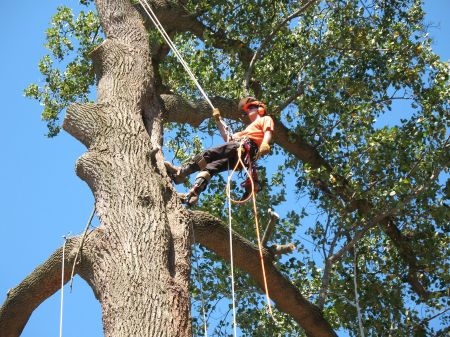
When a problem tree threatens your storefront, parking lot, or tenants, you need commercial tree removal in Bellevue, WA that keeps business moving. Thoughtful planning limits closures, keeps people safe, and protects your reputation. This guide shows how Ace Tree Service LLC helps property managers and business owners stay open and confident during commercial tree removal services.
Why Commercial Tree Removal Matters In Bellevue, WA
Bellevue’s mix of retail centers, office parks, multifamily communities, and medical campuses means heavy foot and vehicle traffic almost every day. Wind, saturated soils, and mature firs and maples can create hazards that escalate fast after storms.
For managers in Downtown Bellevue, Factoria, Crossroads, Wilburton, and Somerset, a blocked drive lane or taped-off sidewalk can ripple through sales, deliveries, and schedules. The goal is simple: finish the work with the least disruption and the highest margin of safety.
A Simple Plan To Minimize Downtime
Pre-Work Walkthrough and Scheduling
Every property is different. A quick walkthrough identifies access routes, staging spots, sensitive landscapes, and the best work windows. Early mornings, midweek off-peak hours, or limited weekend windows often reduce conflicts with tenants and customers.
Choose scheduling windows that match your property’s peak hours. In areas like BelRed or Eastgate with busy commuter rushes, shifting start times by even an hour can keep traffic flowing and reduce complaints.
Parking Lot Safety and Traffic Flow
Parking lots are where most near-misses happen. Clear traffic plans make the biggest impact in the shortest time. Safety around active work zones is non-negotiable.
- Define a staging area for loaders, chipper, and crane to keep aisles open.
- Use cones, barricades, and flaggers to guide vehicles around the work zone.
- Post detours for pedestrians to safe, well-marked sidewalks.
- Coordinate delivery windows so trucks avoid the active removal period.
Tenant and Customer Communication
Good communication prevents frustration. Email notices, lobby flyers, and property-app alerts let people plan ahead. Post clear parking lot signage at least one business day in advance so customers and tenants see what’s coming before they arrive.
Many Bellevue communities include a mix of retail, dining, and residential. Notifying property teams and on-site security creates a single source of truth if questions come up.
Local insight: Fall and winter wind events on the Eastside often follow days of steady rain. Saturated soils can reduce root stability, so plan removals before the next system moves in to avoid emergency closures.
Reducing Liability On Your Property
Liability concerns rise when heavy equipment, falling limbs, and public spaces meet. The right plan reduces exposure while keeping the site productive.
- Pre-job hazard assessment flags overhead lines, fragile pavements, and slip risks.
- Equipment selection matches the site: cranes for tight courtyards, loaders for large lots.
- Barriers and spotters protect pedestrians near storefronts and elevators.
- Debris containment and same-day haul-off reduce trip hazards and clutter.
Never allow employees or customers to enter a taped-off area. Direct questions to the site lead so messages stay consistent and accurate. If neighborhood or city rules apply, your property manager can confirm requirements and timelines for approvals.
Seasonal Timing and Local Conditions In Bellevue
In Bellevue and nearby cities like Redmond, Kirkland, Newcastle, and Issaquah, seasonal patterns matter. Autumn leaf drop increases slick surfaces on sidewalks and garage ramps. Winter brings wind and occasional ice that can weaken damaged limbs. Spring growth and nesting activity may affect timing around certain trees on shared community spaces.
Consider flexible windows outside peak retail hours in Downtown Bellevue or around school traffic in Lake Hills and Crossroads. For office parks near the SR 520 and I-405 corridors, overnight staging sometimes shortens the active daytime window and limits congestion.
If you are gathering information for multiple properties, start at our home page to explore commercial tree removal in bellevue with Ace Tree Service LLC and compare options for each site’s layout and schedule.
What To Expect On Job Day
Crews arrive at the agreed time and secure the work zone first. Cones, signage, and barricades go up before equipment is moved into place. A brief huddle confirms roles, traffic flow, and the sequence of cuts or crane picks.
Expect some noise from saws, chippers, and possibly a crane. Where practical, chipping can be timed to minimize impact on nearby clinics, schools, or outdoor dining. Sidewalk spotters watch for pedestrians and guide short, safe pauses as needed.
Once the tree is down and sections are stacked, loaders shuttle material to trucks for haul-off. Final sweeping and blower work clear dust near entryways and storefronts. If stump work is needed, it is scheduled to avoid peak hours or sensitive times for tenants.
If you need more detail on how a project would run at your site, you can review the scope on our commercial tree removal services page and share preferred time windows with your property team.
How Ace Tree Service LLC Minimizes Disruption
Our approach centers on three things we know matter in Bellevue business districts: scheduling, parking lot safety, and tenant communication. These priorities keep storefronts open, reduce complaints, and help your brand feel organized even during heavy work.
Scheduling looks different for every property. Retail at Factoria benefits from early weekday starts and quiet mid-morning windows. Corporate campuses in the Spring District often prefer tighter, pre-approved windows that avoid shift changes. Multifamily communities near Wilburton and Eastgate need clear, multilingual notices and detours that feel obvious and safe.
Parking lot safety is planned down to the last cone. We map approach routes for cranes, designate material drop points, and set flaggers at conflict zones. When deliveries arrive, they enter and exit through pre-cleared aisles so drivers are never guessing.
Tenant communication is proactive and simple. Notices explain dates, times, areas affected, and who to contact with questions. Digital updates support printed signs so the message reaches people where they are.
Risk Controls That Protect Your Business
Removing a mature tree near customers, vehicles, and glass requires layered controls. Think of it like a series of nets that catch risk before it reaches people or property.
First, the site lead coordinates with the crane or climber to confirm cut sequence and swing paths. Next, ground crews maintain clean buffer zones so limbs never land near pedestrian routes. Spotters watch blind corners at garages and loading docks. Finally, cleanup teams work outward from storefronts to the lot edges so the customer experience improves by the minute.
If a hazard tree is part of a larger landscape plan, we can stage follow-up pruning or replanting at a later, low-impact time. That way, you protect safety today and curb appeal tomorrow without stacking too much activity into a single window.
Communication Templates and On-Site Signage
Make announcements easy to understand and short enough to read at a glance. Good notices include the date, start and end times, zones affected, alternate routes, and a contact name. Place signs at natural decision points such as garage entries, building lobbies, elevator banks, and main sidewalks.
- Use simple arrows and color contrast so detours feel obvious.
- Place extra signs near ADA routes and accessible parking.
- Confirm with tenant reps which languages matter most for your property.
When everyone knows what will happen and when, the day runs smoother and questions drop off fast. That is how you minimize downtime and help tenants feel taken care of throughout the process.
Storm Response Versus Planned Work
Emergency removals after high winds feel different from planned projects. The first priority is securing the site and protecting life safety. Once hazards are controlled, the plan shifts back to traffic flow, cleanup, and reopening as quickly as conditions allow.
For planned removals, you have the advantage of choice. Choose a window that respects tenant patterns and adjacent businesses. Share site maps if you have them. Provide delivery schedules so those trucks never cross your active work zone. Small steps, big results.
After the Removal: Clean, Safe, and Ready for Business
Once the tree is removed and debris is gone, crews conduct a final walk to check for nails, twigs, or sawdust where customers walk. Doorways and curb ramps are swept. If stump work is part of the plan, it is scheduled to fit around your operations, and the area is secured when inactive.
Landscapes bounce back quickly when the work zone stays tidy. Your customers notice when paths are open, signs are clear, and parking is easy. That keeps your day on track and reduces calls to the front desk.
Get Your Next Project Moving In Bellevue
If a tree is leaning, dropping limbs, or blocking key access, bring in a team that treats safety and continuity as top priorities. Talk with Ace Tree Service LLC about a plan that fits your site and schedule. Call 425-531-8031 or coordinate a walkthrough with our commercial tree removal team so your property stays open and protected.
Protect Your Property Request a Tree Removal Quote In Bellevue Today!